

Knowing Gutter Installation in Arkansas
Gutter installation is a essential part of residence servicing, especially in a region like Arkansas, where the climate can be unpredictable. Correctly installed gutters help manage rainfall, stop water harm, and shield the structural integrity of your residence. Whether you're a resident looking to upgrade your existing setup or a new resident setting up your first residence, recognizing the basics of gutter installation is vital.
Arkansas climate plays a substantial role in determining the type of gutter system you need. The state experiences a humid subtropical climate, with hot summers and mild winters. https://writeablog.net/keyspade64/comparing-qualified-gutter-installation-in-arkansas-key-factors-explained This means that rainfall patterns can vary, and temperature fluctuations can affect the materials used in your gutter setup. A well-designed gutter setup should account for these conditions to ensure long-term efficiency.
Gutter installation is not just about adding pipes and channels to your roofline. It involves a detailed assessment of your roofing setups, including the slope of your roof, the type of shingles, and the overall structure of your home. This ensures that the gutters are positioned correctly to direct water away from your foundation and prevent issues like basement flooding or soil erosion.
Home maintenance in Arkansas requires attention to detail. Regular checks and maintenance of your gutters can prevent costly repairs down the line. Whether you're dealing with heavy rainfall or sudden storms, a properly installed gutter system is your first line of defense against water damage.
Key Considerations for Gutter Installation in Arkansas
When planning gutter installation in Arkansas, it's important to consider the local weather conditions. The state's average annual rainfall is around 50 inches, which means your gutters must be able to handle significant volumes of water. Additionally, the frequent thunderstorms in cities like Fort Smith during spring and summer can lead to sudden downpours that require a reliable gutter system.
Temperature changes in Arkansas can also impact the function of your gutters. Sudden changes in weather can cause materials to grow and shrink, possibly causing leaks or structural issues. Picking the correct materials for your gutter system is important to endure these conditions.
Another key element is the local construction regulations. In urban areas like Fayetteville, there are distinct rules that must be observed during setup. https://pad.koeln.ccc.de/oP5XQLTfTPS0fGzN3Va4Kw These codes guarantee that your gutter system complies with safety criteria and is placed accurately to avoid subsequent challenges.
Common Gutter types Applied in Arkansas
When it comes to gutter installation in Arkansas, the variety of gutter you opt for can make a big effect on the performance and endurance of your installation. There are numerous typical gutter varieties available, each with its own collection of pros and drawbacks.
K-profile gutters are a of the most well-known options in Arkansas. These gutters have a circular design with a straight rear, making them simple to mount and visually attractive. They are frequently applied in housing zones and are fit with nearly all rooftop setups. K-profile gutters are also on offer in a selection of components, including aluminium, steel, and plastic, which can be customized to fit the exact demands of your home.
Semicircular gutters are an additional choice, famous for their old-fashioned appearance. These gutters have a easy curved form and are frequently used in old or older homes. While they are less popular in modern development, they can still be a good choice for homeowners who prefer a classic design. Half-round gutters are usually made from metal, such as aluminum or copper, which gives durability and resilience to oxidation.
Metal gutters are a popular option in Arkansas due to their strength and longevity. Aluminium gutters are lightweight and resistant to corrosion, making them a fine choice for zones with heavy rain. Iron gutters are greater sturdy and can survive heavy tempests, but they may require greater attention over time. Copper gutters are a luxury option, providing a special look and excellent protection to weathering. However, they can are greater expensive and may require expert installation.
Synthetic gutters, commonly made from polymer, are a cost-effective choice. They are easy to set up and look after, making them a good option for property owners who want a low-maintenance approach. However, synthetic gutters may not be as robust as metallic options and can be susceptible to fracturing in severe conditions.
Picking the Proper Gutter variety for Your Dwelling
When choosing on the kind of gutter for your residence, take into account elements such as your budget and the look of your residence and the area conditions conditions. For case, if you live in a metropolis like Little Rock, where the typical rain is extreme, K-style gutters constructed from aluminum may be a excellent option due to their durability and ease of maintenance.
For homes in areas with frequent thunderstorms, such as Fort Smith, metallic gutters like steel or copper may be more appropriate due to their strength and resistance to storm damage. These materials can withstand heavy rain and high winds, delivering enhanced protection for your home.
Ultimately, the best gutter type for your home will base on your particular needs and preferences. Consulting a qualified gutter installer, such as AGM Gutters, can assist you make an knowledgeable decision depending on your home's specific requirements.
How Arkansas Climate Affects Gutter Installation
The climate in Arkansas has a direct impact on the installation and operation of your gutter setup. Recognizing the local weather conditions is crucial to make sure that your gutters can manage the challenges posed by the region's environment.
Arkansas weather is characterized by a humid subtropical climate, with warm, wet summers and mild, dry winters. This means that the state experiences a substantial amount of rainfall throughout the year, with some areas receiving over 50 inches annually. The combination of heavy rainfall and high humidity can lead to concerns such as mold growth, water seepage, and structural harm if gutters are not correctly installed.
Rainfall patterns in Arkansas can vary depending on the region. For example, Little Rock experiences an average of 50 inches of rainfall each year, while Fort Smith sees regular thunderstorms during the spring and summer months. These conditions call for a gutter system that can efficiently manage large volumes of water and prevent overflow.
Temperature fluctuations in Arkansas can also affect the efficiency of your gutters. Sudden changes in weather can cause materials to expand and contract, leading to possible leaks or wear. This is specifically important to evaluate when choosing the right materials for your gutter setup.
Storm harm is a common concern in Arkansas, particularly during the spring and summer months when thunderstorms are more frequent. A well-installed gutter system can help protect your home from the effects of these storms by directing water away from your foundation and preventing water accumulation around your property.
Preparing for Arkansas Weather Conditions
When planning gutter installation in Arkansas, it's important to consider the local weather conditions. For example, in areas with high rainfall, such as Little Rock, it's essential to ensure that your gutters are properly sized and positioned to handle the volume of water. This may involve installing additional downspouts or using larger gutter channels to prevent overflow.
In regions like Fort Smith, where thunderstorms are common, it's important to choose materials that can withstand heavy rain and strong winds. Metal gutters, such as copper, are often a good choice due to their durability and resistance to weathering. These materials can help protect your home from the damaging effects of sudden storms.
Temperature fluctuations in Arkansas can also impact the performance of your gutters. Choosing materials that are resistant to expansion and contraction can help prevent leaks and structural issues. For example, copper gutters are a good option due to their lightweight and resistance to rust, making them well-suited for the state's climate.
Top Choices for Gutter Installation in Arkansas
Selecting the best materials for your gutter setup is crucial for guaranteeing extended function and endurance. In Arkansas, where the environment can be unpredictable, the selection of material can make a significant impact in how well your gutters operate.
Lightweight gutters are a common choice for residents in Arkansas due to their lightweight nature and protection to oxidation. These gutters are straightforward to install and service, making them a suitable option for many properties. They are also available in a range of tones, enabling you to coordinate your home look. But, aluminum gutters can be likely to bumps if not mounted properly, so it's important to collaborate with a professional installer.
Steel gutters are another choice, famous for their sturdiness and endurance. They are higher protected to harm than aluminum gutters and can endure strong precipitation and strong gales. Nevertheless, iron gutters may require greater service over time, as they can be susceptible to rust if not adequately sealed. This results in them a suitable option for areas with common tempests, such as Fort Smith.
Brass gutters supply a special and elegant visage, making them a favored choice for homeowners who desire a luxury gutter system. They are highly resistant to corrosion and can endure for long periods with sufficient service. But, brass gutters can be greater expensive than other options and may require a experienced installer due to their heaviness and complication.
Vinyl gutters are a budget-friendly option that is easy to install and service. They are immune to rust and corrosion, causing them a good option for regions with extreme dampness. However, vinyl gutters may not be more sturdy as metal solutions and can be prone to fracturing in intense weather conditions. This makes them a suitable selection for residents who emphasize expense over sustained durability.
Choice Choice for Arkansas Conditions
When picking the top choices for gutter installation in Arkansas, it's important to consider the regional climate. For instance, in zones with intense precipitation, such as Little Rock, metallic gutters may be a suitable selection due to their portable attribute and protection to oxidation. These gutters can handle the volume of fluid and need low service over time.
In regions like Fort Smith, where thunderstorms are common, steel gutters may be a better option due to their strength and durability. These gutters can withstand heavy rain and strong winds, providing better protection for your home. However, they may require more maintenance to prevent rust and corrosion.
Brass gutters are a luxurious choice that can add a distinctive touch to your home's exterior. https://pad.stuve.de/7z7ZWlHXQyCok5GKB3d22g They are extremely durable to weathering and can last for many years with proper care. However, they can be pricier and may not be the best option for homeowners on a small budget.
Polymer gutters are a affordable solution that is straightforward to mount and simple to care for. They are resistant to rust and corrosion, making them a good choice for areas with excessive moisture. However, they may not be as durable as metallic choices and can be susceptible to breaking in harsh weather.
The Gutter installation Process in Arkansas
Gutter installation is a multi-phase process that needs meticulous planning and implementation. In Arkansas, where the environment can be unstable, it's essential to adhere a thorough setup process to ensure your gutter system works effectively for decades to follow.
The first phase in the setup method is a roofline assessment. This involves assessing the angle of your roof, the variety of covering component, and the overall build of your dwelling. A professional worker will identify the best position for your gutters to ensure they can efficiently guide moisture away from your support.
Next, the installation crew will calculate the size of your eaves to determine the size and amount of gutters necessary. Exact measurements are crucial to guarantee that your gutters are properly measured and can handle the quantity of moisture in your area. In metropolitan areas like Little Rock, where precipitation is high, this part is especially important to prevent overflow and water harm.
Once the dimensions are finished, the setup team will install the gutters along the perimeter of your building. This includes securing the gutters to the fascia structure using brackets and nails. Proper setup is important to prevent drips and guarantee the gutters remain in location during intense storms.
Gutter placement is another critical part in the setup method. The gutters are responsible for directing moisture from the gutters to the earth, away from your residence's foundation. The placement of gutters should be figured out based on the arrangement of your land and the local water management unit. In areas with frequent thunderstorms, such as Fort Smith, proper gutter placement is vital to prevent water accumulation and likely waterlogging.
Finally, a detailed check is carried out to ensure that the installation is done and fulfills all local structural regulations. This entails reviewing for seepage, proper alignment, and stable fixing. A well-installed gutter setup can offer long-term defense for your dwelling and avoid high repairs in the future.
Key Phases in Gutter installation
The gutter installation procedure in Arkansas begins with a roof inspection, where technicians evaluate the structure of your home to figure out the optimal location for your gutters. This phase is important to confirm that your system can effectively handle the volume of water in your area.
After the inspection, the setup team will calculate the length of your roofline to determine the size and amount of gutters essential. Exact dimensions are vital to avoid overflow and confirm effective water drainage, especially in regions with extensive precipitation like Little Rock.
The following step involves setting up the gutters along the edge of your roof, using brackets and bolts to secure them in position. This step demands precision to ensure that the gutters continue stable during severe weather and never droop or drip over duration.
Water pipe placement is another important section of the setup process. The pipes are responsible for channeling fluid away from your home, and their position should be thoroughly designed to prevent water accumulation and possible water damage.
Finally, a complete inspection is conducted to guarantee that the deployment satisfies all area regulations and is without seeps or structural problems. This step is important to guarantee the long-term function of your gutter system and safeguard your residence from water issues.
Cost of Gutter Installation in Arkansas
The cost of gutter installation in Arkansas can vary depending on several factors, including the type of materials used, the scale of your home, and the complication of the installation. Comprehending the average expense and how it divides can help you make an informed choice when planning your gutter system.
The average cost of gutter installation in Arkansas typically ranges from $3 to $10 per foot of length, depending on the materials and labor involved. This means that for a typical home with 150 feet of gutters, the total cost could be between $450 and $1,500. However, these figures can vary based on the exact needs of your home and the local area.
Gutter material prices are a major factor in the overall expense of installation. Sheet metal gutters are generally less expensive, while iron and metal gutters can be costlier due to their sturdiness and high-end look. Plastic gutters are often the most budget-friendly option, but they may not be as lasting as other materials.
Labor charges also play a role in the total price of installation. Skilled installation guarantees that your gutters are well positioned and fastened, which can avoid future problems and lower the need for repairs. In cities like Little Rock, where precipitation is high, investing in expert installation can supply long-term savings by reducing the risk of water damage.
Factors Affecting Gutter Installation Costs in Arkansas
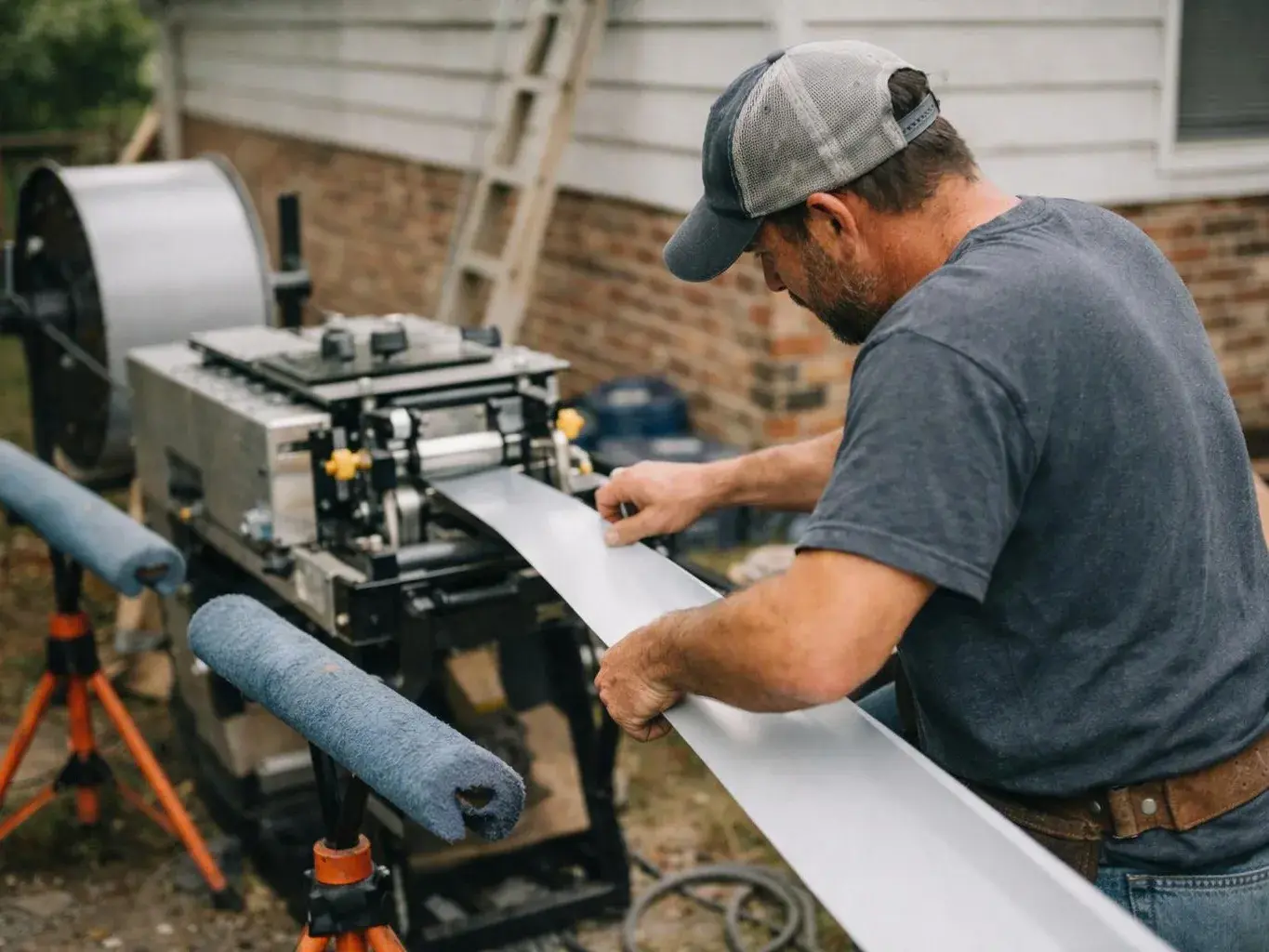
The price of gutter installation in Arkansas can vary depending on several factors, including the type of materials used, the scale of your home, and the complication of the installation. For example, metal gutters are usually more affordable than iron or metal options, making them a well-liked choice for many property owners.
In regions with intense precipitation, such as Little Rock, the price of installation may be more expensive due to the need for bigger-sized gutters or more water channels. This ensures that your setup can well control the volume of moisture and prevent overflow.
Labor charges are another crucial factor. Professional installation guarantees that your gutters are adequately positioned and fastened, which can avoid future issues and reduce the requirement for maintenance. In cities like Fayetteville, where regional building standards may demand particular placement standards, getting a qualified can support guarantee adherence and steer clear of possible penalties.
Ultimately, the price of gutter installation in Arkansas will base on your specific demands and the choices accessible in your area. By knowing the elements that affect pricing, you can arrive at an knowledgeable choice that suits your budget and guards your residence from liquid injury.
Preserving Gutters in Arkansas
Routine servicing is vital for making sure the long-term performance of your gutter system, particularly in a region like Arkansas where rainfall can be heavy and unpredictable. Appropriate upkeep helps stop clogs, leaks, and other concerns that can lead to expensive repairs.
One of the most essential aspects of gutter servicing is cleaning. Over time, leaves, twigs, and other debris can accumulate in your gutters, blocking the flow of water and causing overflow. In Arkansas, where the average annual rainfall is around 50 inches, routine cleaning is crucial to stop water damage to your residence.
Debris buildup can also lead to water pooling around your foundation, increasing the risk of basement flooding and soil erosion. This is especially vital to address in areas like Little Rock, where heavy rainfall is common. By keeping your gutters clear, you can assist shield your home from these potential issues.
Home protection is another key benefit of regular gutter maintenance. A well-maintained gutter system can prevent water from seeping into your walls, causing mold growth and structural damage. This is particularly important in Arkansas, where the humid climate can exacerbate moisture-related issues.
Maintenance Tips for Arkansas Homeowners
Regular cleaning is one of the most important aspects of gutter maintenance in Arkansas. Debris such as leaves and twigs can accumulate in your gutters, blocking the flow of water and causing overflow. In areas with high rainfall, such as Little Rock, it's recommended to clean your gutters at least twice a year to prevent clogs and water damage.
Inspecting your gutters for leaks or damage is another essential maintenance task. Over time, gutters can sag, crack, or develop holes, which can lead to water leakage and foundation issues. In cities like Fort Smith, where thunderstorms are frequent, regular inspections can help identify and address potential problems before they become major issues.
Inspecting the downspouts is also essential to confirm that water is being appropriately directed away from your residence. Clogged or damaged downspouts can cause water to pool around your foundation, increasing the risk of flooding and soil erosion. In areas with high rainfall, it's vital to keep your downspouts clear and functional.
By following these upkeep tips, you can support confirm that your gutter system remains in good condition and continues to protect your home from water damage. Regular upkeep not only extends the lifespan of your gutters but also helps prevent costly repairs down the line.
Arkansas Building Codes for Gutters
Recognizing the regional building codes for gutters is crucial when planning your installation in Arkansas. These codes ensure that your gutter installation meets protection standards and is installed correctly to stop future concerns.
Arkansas building codes vary by city, with some areas having specific regulations that must be followed. For example, in Fayetteville, there are local building codes that dictate the installation needs for gutter systems. These codes assist confirm that gutters are installed in a way that safeguards your home and complies with state and regional regulations.
Local regulations frequently include needs for the size, placement, and materials used in gutter setups. These requirements help ensure that your gutters are properly sized to handle the volume of water in your area and are installed in a way that prevents leaks and water damage. In cities like Little Rock, where rainfall is high, these regulations are especially important to ensure that your system can handle the volume of water effectively.
Safety standards are another key component of Arkansas building codes for gutters. These standards ensure that your gutter system is installed in a way that is safe for both your home and the people working on it. This includes requirements for proper fastening, secure placement, and the use of materials that are resistant to weathering and corrosion.
Permits are also an important consideration when installing gutters in Arkansas. Some cities may require a permit for gutter installation, especially for larger or more complex systems. This helps ensure that your installation meets all local requirements and is properly documented. In areas like Fort Smith, where thunderstorms are common, obtaining the necessary permits can help ensure that your system is installed correctly and safely.
Complying with Arkansas Building Codes
Complying with Arkansas building codes is essential when installing gutters in your home. These codes ensure that your system meets safety standards and is installed correctly to prevent future issues. For example, in Fayetteville, there are particular regulations that must be followed during installation to ensure that your gutters are correctly sized and positioned.
Local ordinances often include standards for the dimensions, position, and elements used in gutter systems. These standards help ensure that your gutters are installed in a way that prevents moisture and water damage. In urban areas like Little Rock, where downpours is intense, these rules are particularly vital to ensure that your system can manage the quantity of liquid successfully.
Safety requirements are another key element of Arkansas building codes for gutters. These requirements guarantee that your gutter system is installed in a way that is safe for both your home and the people performing on it. This covers criteria for correct securing, secure placement, and the application of materials that are tolerant to exposure and rusting.
Permits are also an important aspect when setting up gutters in Arkansas. Some localities may require a permit for gutter installation, especially for more extensive or advanced projects. This supports ensure that your setup meets all regional guidelines and is adequately noted. In areas like Fort Smith, where storms are usual, obtaining the required permits can help guarantee that your system is installed accurately and effectively.
FAQs About Gutter Installation in Arkansas
What are the most frequent types of gutters used in Arkansas?
The most common types of gutters used in Arkansas include K-style gutters, half-round gutters, metal gutters, and plastic gutters. K-style gutters are popular due to their versatility and aesthetic appeal, while half-round gutters offer a traditional look. Metal gutters, such as aluminum and steel, are known for their durability, and plastic gutters are a budget-friendly option.
How do climate conditions in Arkansas affect gutter installation?
The climate in Arkansas, characterized by a humid subtropical weather pattern, influences gutter installation. High rainfall and temperature fluctuations require gutters that are durable and capable of handling large volumes of water. Storm damage is also a concern, making it essential to choose materials and installation methods that can withstand extreme weather conditions.
What materials are best suited for Arkansas weather?
Aluminum, steel, copper, and vinyl gutters are all valid for Arkansas weather. Aluminum gutters are lightweight and corrosion-resistant, making them perfect for areas with high rainfall. Steel gutters are durable and can handle heavy storms, while copper gutters offer a premium look and sustained effectiveness. Vinyl gutters are a affordable choice that is easy to maintain.
What is the typical cost of gutter installation in Arkansas?
The average cost of gutter installation in Arkansas ranges from $3 to $10 per linear foot, depending on the materials and labor involved. For a standard house with 150 feet of gutters, the final expense could be within $450 and $1,500. Elements including material selection, labor expenses, and local regulations can influence the final price.
What are the steps involved in professional gutter installation?
Professional gutter installation involves several steps, including a roof inspection, accurate measurements, correct installation of gutters and downspouts, and a final review. These steps ensure that your gutter system is properly placed and operates well to protect your home from water damage.